Rat control · Coventry
Rat control in Coventry
Rats under the decking, in the loft or behind the kitchen kickboards. We find out how they are getting in and what is drawing them, then agree a plan to deal with them and close the gaps.

Identification
Brown rats: the usual suspect
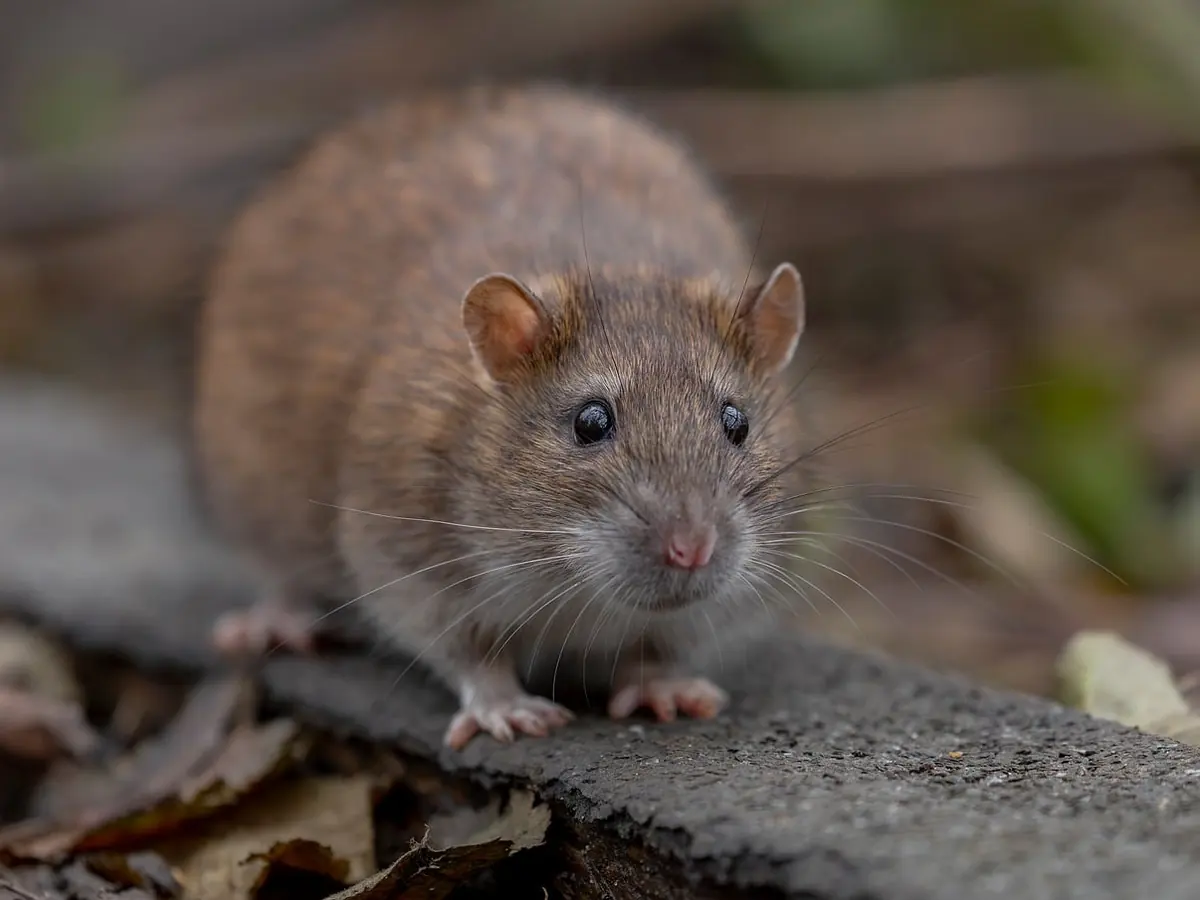
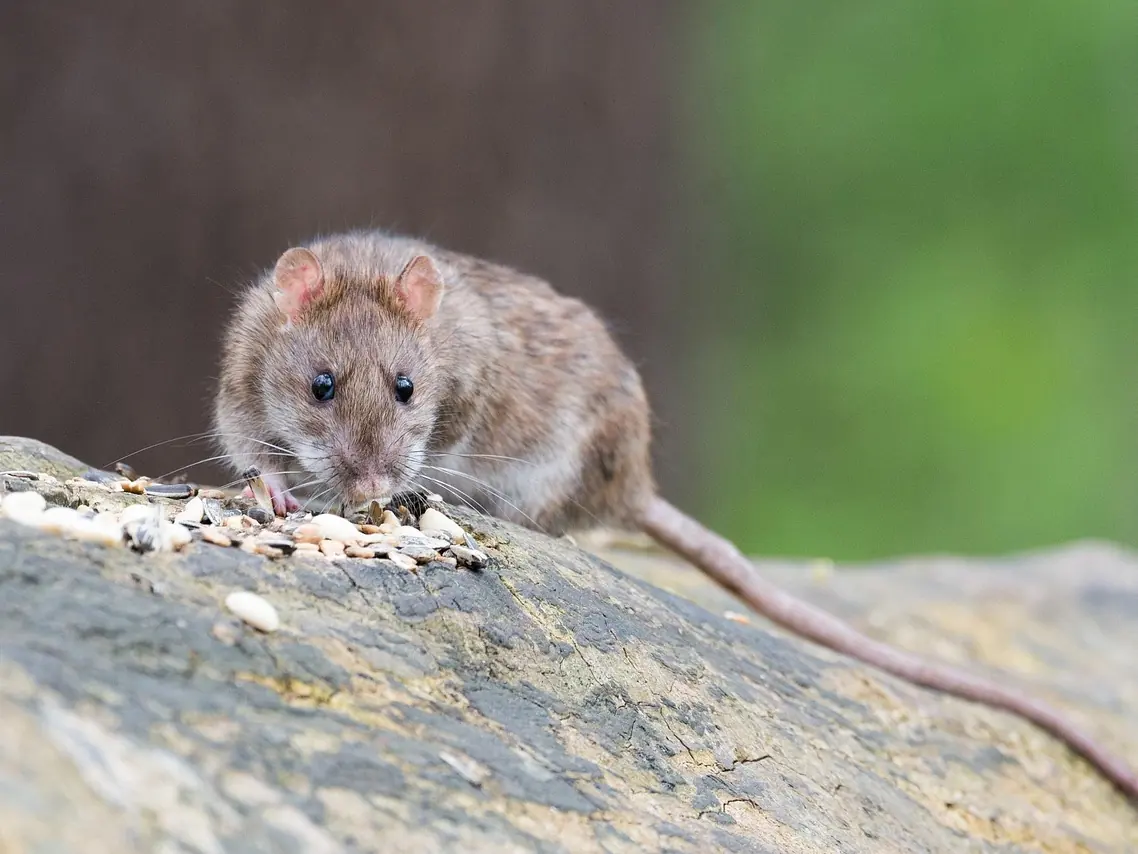
In and around Coventry homes the rat you are most likely to meet is the brown rat. Adults are heavy-bodied, with a blunt snout, small ears and a thick tail that is a little shorter than the head and body.
Young rats are often mistaken for mice. If you are unsure, our guide to telling rats from mice covers droppings, size and behaviour.

What to look for
Signs worth noting
- Droppings roughly the size of a grain of rice or larger, often in groups along a route
- Gnawing on timber, plastic pipes, bin lids or cables
- Burrows near paths, sheds, decking or compost bins
- Greasy smear marks along walls and the edges of runs
- Scratching in the loft, walls or under floors, usually at night
If you can, photograph what you find (with something for scale) and note where and when you saw it.
The inspection
Finding the route, not just the rat
Rats rarely appear from nowhere. We look at drainage, damaged airbricks, gaps around pipework, garden harbourage and food sources such as bird feed or open bins, and we check inside the property for activity and access points.
Rodent work usually involves a short course of visits, so we can confirm activity is falling and adjust the plan if it isn't. Control methods are chosen for the specific property and placed where they are needed — not scattered everywhere as a routine.
What we assess
- Where activity is concentrated, inside and out
- Likely entry points: drains, airbricks, pipe gaps, doors
- Food, water and shelter that may be attracting rats
- Whether neighbouring land or shared drains may be involved
- Which proofing work would make the biggest difference
Your plan, step by step
Inspection first, then an agreed plan, then follow-up. No pressure, no surprise extras.
- 01
Inspection
We look for evidence, entry points and the conditions that are helping pests settle in, then explain what we found.
- 02
Agreed treatment plan
You get a clear scope: what will be done, how many visits are likely and the price — agreed before any work begins.
- 03
Follow-up & prevention
Follow-up visits check progress, and we recommend proofing or housekeeping changes to reduce the chance of a return.
For rats, the plan typically covers a course of visits to treat activity, then targeted proofing once we know where they are getting in. Proofing is quoted separately.

Before we visit
Preparing for a visit
Before a visit it helps to:
- Note where you have seen rats, droppings or damage, and roughly when
- Keep food sealed and bins closed, and pause bird feeding for now
- Leave burrows and droppings undisturbed so we can read the evidence
- Make the loft hatch, under-sink cupboards and garden areas reachable
Our guide to preparing for a pest inspection has a simple checklist.
Common questions
How many visits will rat control take?
It depends on the level of activity and how the rats are getting in. Rodent work is normally a course of visits rather than a single call, and we will explain the expected number when we agree the plan.
Will you just put poison down?
No. We start with an inspection and choose methods that suit the property, the people and any pets in it. Many problems are solved as much by proofing and removing food sources as by treatment.
Can rats come up through the drains?
Yes, damaged or disused drains are a common route into buildings. Part of the inspection is looking for signs that drains may be involved, so the right repair or proofing can be recommended.
I only see them in the garden. Is that worth looking at?
Often, yes. Garden activity near a house can lead to rats finding a way inside. An inspection can identify what is attracting them and whether the building is vulnerable.