Mouse control · Coventry
Mouse control in Coventry
Scratching in the ceiling, droppings in the cupboard, nibbled packets. Mice fit through very small gaps, so we combine targeted treatment with finding and sealing the routes they use.
Identification
House mice: small and persistent
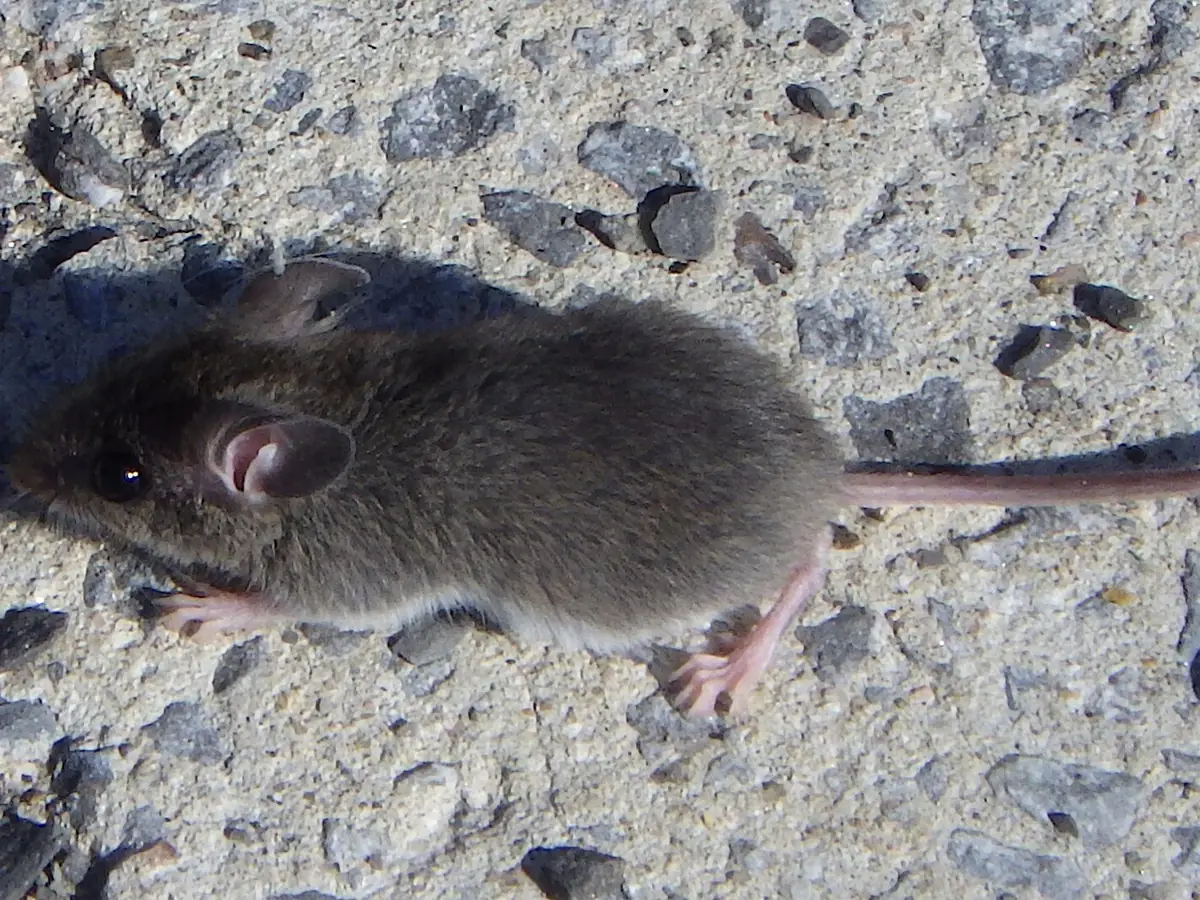
The house mouse is small and slim, with large ears, a pointed face and a long, thin tail. It is greyish-brown and moves quickly along walls and behind kitchen units.
Mice can squeeze through gaps around pipes and cables that look far too small, which is why proofing matters as much as treatment.
What to look for
Signs worth noting
- Small, dark droppings a few millimetres long, often scattered in cupboards or along skirting
- Nibbled food packaging, especially cereals and dried goods
- Shredded paper, insulation or fabric used for nesting
- Light scratching or scurrying in ceilings, walls and boxed-in pipework
- A musty smell in enclosed spaces such as under the sink
If you can, photograph what you find (with something for scale) and note where and when you saw it.
The inspection
Following the runs
We check kitchens, boxed-in pipework, under-stair spaces, lofts and any service voids, looking for droppings, runs and the gaps mice are using to move between rooms or from next door.
A mouse problem is usually treated across a course of visits. Where terraced or semi-detached properties share voids, we will tell you if activity may be coming from beyond your walls.
What we assess
- Where droppings and gnawing are concentrated
- Gaps around pipes, cables, meters and kitchen units
- Food storage and anything mice can easily reach
- Shared voids, lofts and under-floor spaces
- Which proofing is practical and worth doing
Your plan, step by step
Inspection first, then an agreed plan, then follow-up. No pressure, no surprise extras.
- 01
Inspection
We look for evidence, entry points and the conditions that are helping pests settle in, then explain what we found.
- 02
Agreed treatment plan
You get a clear scope: what will be done, how many visits are likely and the price — agreed before any work begins.
- 03
Follow-up & prevention
Follow-up visits check progress, and we recommend proofing or housekeeping changes to reduce the chance of a return.
Mouse work is normally a short course of visits. We will recommend proofing where it will help; that is agreed and priced separately.

Before we visit
Preparing for a visit
- Move dried food into sealed containers and wipe up crumbs
- Clear under the sink and around the boiler or meter cupboard so we can see in
- Photograph droppings in place before cleaning, if you can do so safely
- Let us know about children, pets or anyone vulnerable in the home
See our guide to preparing for a pest inspection for more.
Common questions
I've only seen one mouse. Do I need help?
One sighting can mean more are present, because mice are mostly active when the house is quiet. If you are also finding droppings or damage, an inspection is worthwhile.
Do mice come from next door?
They can, particularly in terraced and semi-detached homes with shared lofts or voids. We will point out shared routes and what can sensibly be proofed on your side.
Is a single visit enough?
Usually not. Mouse control normally needs follow-up visits to check activity has stopped. The number is agreed as part of your plan.
Should I clean up the droppings first?
It helps if you leave the evidence until after the inspection, or photograph it first. When you do clean, take sensible hygiene precautions; we can talk you through this at the visit.