Advice guide
Rats or mice? How to tell the difference
Both leave droppings and gnaw things, but they behave differently — and need different approaches.


Droppings
Rat droppings are larger — roughly rice-grain size or bigger — and are often found in groups. Mouse droppings are small, a few millimetres long, and tend to be scattered.
Where you find evidence
Burrows in the garden, activity around sheds, decking or drains, and heavy gnawing on timber point towards rats. Droppings in cupboards and drawers, nibbled packets and nesting in insulation are more typical of mice.
Noises
Both are mostly active at night. Rats tend to sound heavier — thumping or dragging — while mice make light scratching and scurrying sounds.
Still not sure?
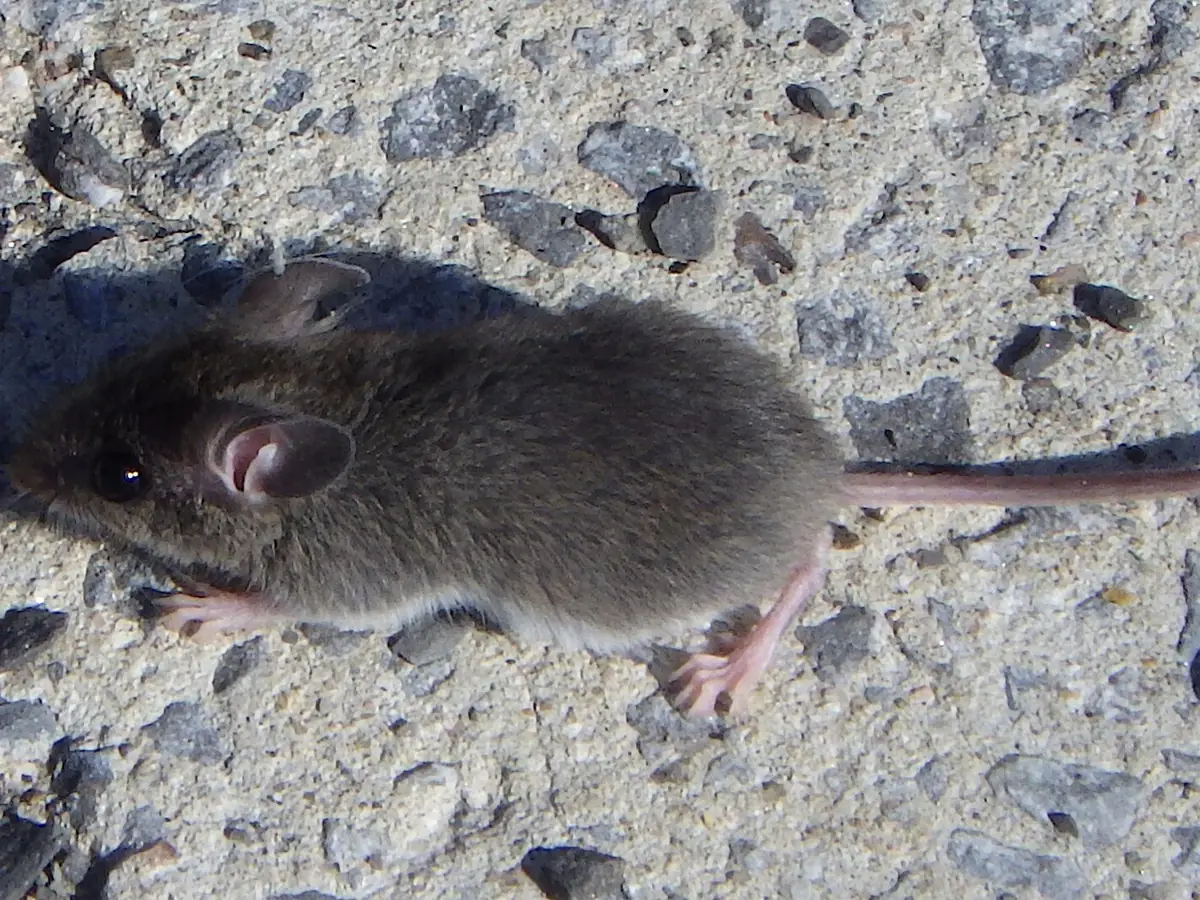
Young rats are easily mistaken for mice. Photograph droppings and damage with something for scale, and leave the evidence in place for an inspection. See preparing for a pest inspection.
This guide is general information to help you recognise and describe a problem. It isn't medical advice or treatment instructions. Follow any tailored preparation instructions you are given for your property.