Bedbug treatment · Coventry
Bedbug treatment in Coventry
Bedbugs are stressful, and a lot of advice online makes things worse. We confirm what you are dealing with, plan targeted treatment with clear preparation steps, and come back to check the result.

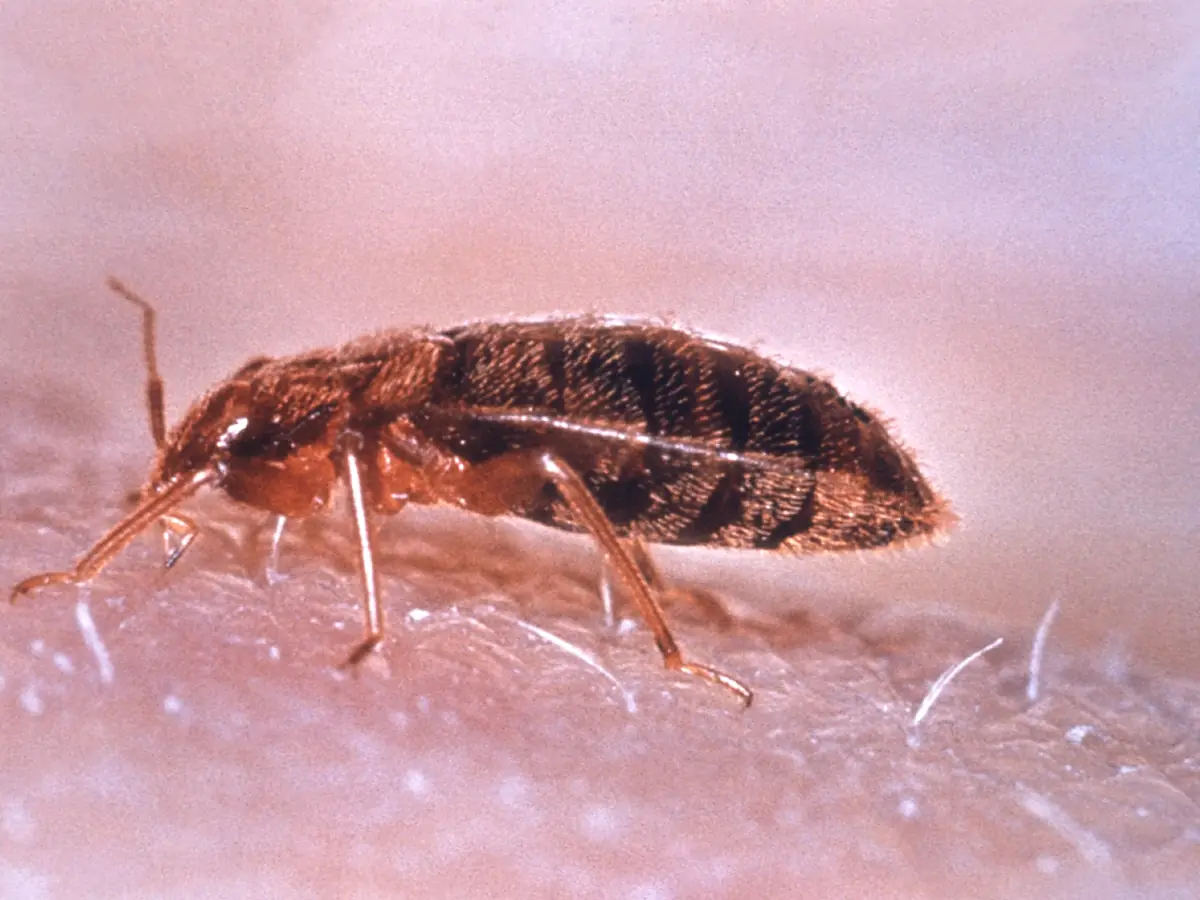
Identification
What a bedbug looks like
Adult bedbugs are flat, oval and reddish-brown, roughly the size of an apple seed. Younger stages are smaller and paler. They hide in seams, joints and cracks close to where people sleep or sit.
Bites alone cannot confirm bedbugs. Many things cause itchy marks on the skin, so we look for physical evidence before recommending treatment. If you are worried about a skin reaction, speak to a pharmacist or GP.
What to look for
Signs worth noting
- Small dark spots (droppings) on mattress seams, bed frames or headboards
- Rusty or reddish marks on sheets
- Pale shed skins in crevices of the bed or nearby furniture
- Live insects in seams, joints, behind headboards or along skirting
If you can, photograph what you find (with something for scale) and note where and when you saw it.
The inspection
Confirming first, then planning
We inspect beds, frames, headboards, nearby furniture and the room around them to confirm whether bedbugs are present and how far activity has spread. Where more than one room is involved, we check each one.
Bedbug treatment needs follow-up. We plan a targeted treatment and at least one return visit to check progress, with tailored preparation instructions for your home. We do not offer whole-room heat treatment or fumigation.
What we assess
- Whether physical evidence confirms bedbugs
- Which rooms and items are affected
- Furniture construction and hiding places
- Practical preparation for your household
- Likely number of visits, including follow-up
Your plan, step by step
Inspection first, then an agreed plan, then follow-up. No pressure, no surprise extras.
- 01
Inspection
We look for evidence, entry points and the conditions that are helping pests settle in, then explain what we found.
- 02
Agreed treatment plan
You get a clear scope: what will be done, how many visits are likely and the price — agreed before any work begins.
- 03
Follow-up & prevention
Follow-up visits check progress, and we recommend proofing or housekeeping changes to reduce the chance of a return.
Bedbug plans always include follow-up. Landlords and housing providers can ask for a written summary of what was found and what was agreed.
Before we visit
Preparing for a visit
Please don't move suspect beds, mattresses or furniture between rooms — it can spread bedbugs to new areas. Until the inspection:
- Photograph anything suspicious, ideally with something for scale
- Keep sleeping in your usual room if you can, so activity stays in one place
- Hold off on shop-bought sprays or foggers before the inspection; they can scatter insects and make them harder to find
- Wait for your tailored preparation instructions before stripping or bagging items
Read more in signs of bedbugs.
Common questions
I have bites. Does that mean I have bedbugs?
Not necessarily. Bites alone cannot confirm bedbugs. We look for physical evidence — insects, shed skins or droppings — before recommending any treatment.
Why is a follow-up visit needed?
Bedbug eggs and hidden insects can survive a first treatment. A follow-up lets us check progress and treat anything remaining, so it is built into the plan rather than an optional extra.
Do you offer heat treatment or fumigation?
No. We provide targeted treatment planned around the inspection, with preparation and follow-up.
Should I throw my mattress away?
Please wait until after the inspection. Removing furniture can spread bedbugs through the home and is often unnecessary. We will advise what, if anything, needs to go.
I'm a landlord. Can you work with tenants?
Yes. We explain preparation clearly to whoever is living in the property and agree access and responsibilities before work starts.