Cockroach control · Coventry
Cockroach control in Coventry
Cockroaches favour warm, damp, hidden spaces — behind appliances, in service ducts and under sinks. We identify the species, find where they are living and plan treatment with follow-up checks.

Identification
German or oriental?
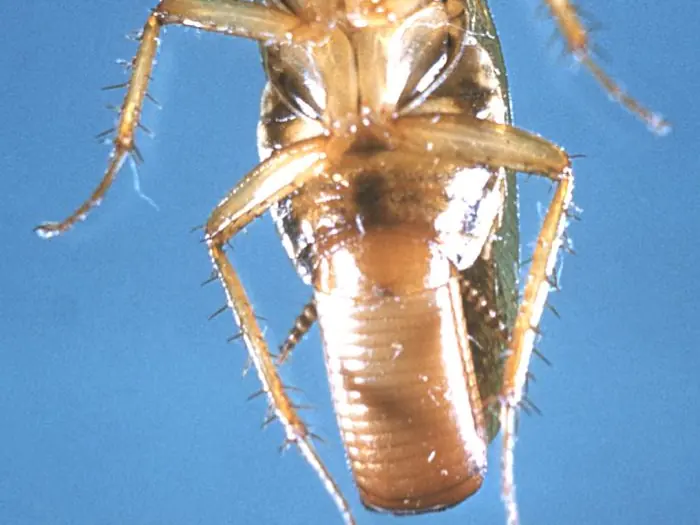
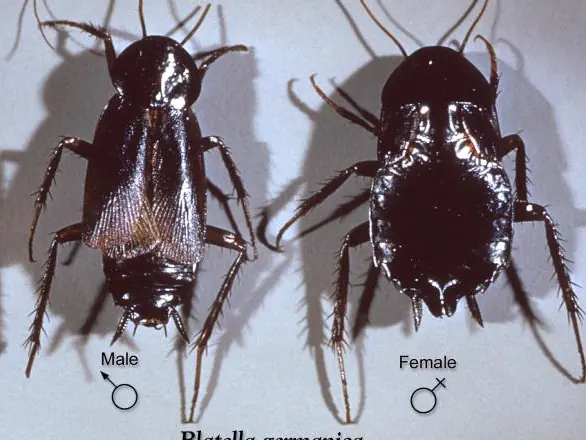
The two species most often found in UK buildings behave differently, so identification matters. The German cockroach is small, light tan, with two dark stripes behind the head, and tends to live close to warmth around kitchens and appliances.
The oriental cockroach is larger, glossy and very dark brown to black. It prefers cooler, damp areas such as basements, drains and ducting.

What to look for
Signs worth noting
- Insects seen at night, particularly when lights are switched on
- Small dark droppings or smear marks in corners, hinges and behind appliances
- Empty egg cases in cracks and crevices
- A persistent musty or oily smell in heavier infestations
If you can, photograph what you find (with something for scale) and note where and when you saw it.
The inspection
Mapping where they live
We check behind and under appliances, kitchen units, sinks, boiler cupboards and service runs, and we look at how cockroaches may be moving between rooms or neighbouring units.
Treatment is targeted at harbourage areas found during the inspection and followed up to confirm activity is reducing. For food businesses we can provide a written record of each visit.
What we assess
- Which species is present
- Harbourage areas: appliances, ducts, voids and cracks
- Moisture, food residue and housekeeping factors
- Connections to neighbouring units or shared services
- The number of follow-up visits likely to be needed
Your plan, step by step
Inspection first, then an agreed plan, then follow-up. No pressure, no surprise extras.
- 01
Inspection
We look for evidence, entry points and the conditions that are helping pests settle in, then explain what we found.
- 02
Agreed treatment plan
You get a clear scope: what will be done, how many visits are likely and the price — agreed before any work begins.
- 03
Follow-up & prevention
Follow-up visits check progress, and we recommend proofing or housekeeping changes to reduce the chance of a return.
Cockroach plans include follow-up visits. Deep cleaning or appliance moves can be part of the agreed scope, but are priced separately and agreed in advance.
Before we visit
Preparing for a visit
- Note when and where you see cockroaches, and photograph one if you can
- Make under-sink and boiler cupboards accessible
- Keep food covered and avoid leaving dishes or pet food out overnight
- Avoid shop-bought sprays before the visit, as they can push insects deeper into hiding
Our guide to preparing for a pest inspection explains more.
Common questions
How can I tell which cockroach I have?
A clear photo usually helps. German cockroaches are small and light brown with two stripes behind the head; oriental cockroaches are larger and very dark. We confirm the species at inspection.
Will one treatment be enough?
Cockroach control generally needs follow-up because eggs can hatch after the first visit. The plan sets out how many visits are expected.
Do you work in commercial kitchens?
Yes. We can arrange visits around service and keep inspection records. See commercial pest care.